General Dentistry: Why Do I Need Have X-rays Done?
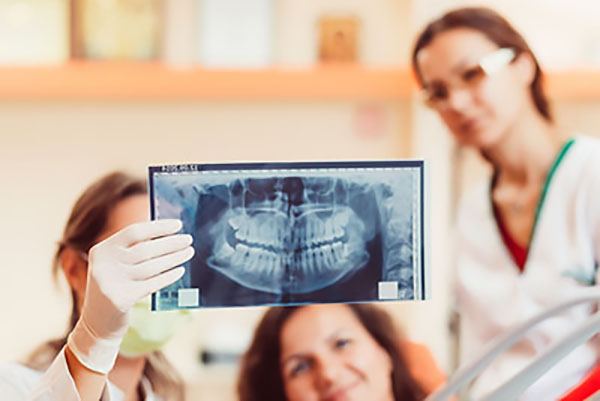
In general dentistry, dental X-rays are an essential part of oral health. The fact is that there are only so many things dentists can see through an oral examination, and taking a closer look at the underlying supporting structures of teeth tell a story about one’s oral health that is valuable to the general dentist when treating patients.
The importance of dental X-rays
Many are hesitant to receive a dental X-ray. By learning more about the issues that a dental X-ray can detect, the benefits of dental X-rays and how often one is needed, you can better understand why they are important.
What can a dental X-ray detect?
Dental X-rays, also referred to as radiographs, are images of the interior of the teeth and gums. They provide a more in-depth look at the state of the patient’s teeth and can detect a variety of oral health issues that are hard to see via an oral examination. These issues include but are not limited to:
- Tooth decay
- Bone loss
- Impacted teeth
- Dead nerves
- Oral cancer
They are often required before a procedure such as teeth straightening. Most importantly, they can detect early signs of issues to ensure that any problems do not worsen.
The benefits of dental X-rays
Dental X-rays play a vital role in detecting signs of an oral health complication as early as possible to ensure that the issue is properly treated. In some instances, they can detect signs of oral cancer, which allows the patient to properly prepare for treatment before the cancer spreads. In less severe cases, dental X-rays may detect the earliest signs of gum disease and allow the patient to take the necessary steps to prevent it from worsening.
How often do I need a dental X-ray?
General dentistry practices typically order a dental X-ray on the first visit with a new patient. This allows them to get a better idea of the patient's oral health before they recommend or begin any treatment. Afterward, a dental X-ray is not necessary for every visit. While general dentists may have their own idea of how often a dental X-ray is needed, most suggest that patients receive a new one annually. This way, they are not performing too many dental X-rays, but it still allows them to get updated versions of the patient’s oral health to ensure that there are no new concerning developments.
Find out more from a general dentistry practice
To learn more about the importance of dental X-rays or if you need a checkup visit or treatment for an oral health concern, feel free to reach out to our friendly team to arrange a convenient time to come in and see us. We are happy to answer your questions and help you on your path to better oral health.
Request an appointment here: https://whiteflintfamilydental.com or call White Flint Family Dental at (301) 273-1085 for an appointment in our Rockville office.
Check out what others are saying about our services on Yelp: Read our Yelp reviews.
Recent Posts
Whether you recently had a tooth extraction or are preparing for the procedure, there are a few guidelines to follow after oral surgery. Properly caring for your health can help you recover as healthily as possible and reduce the risks of complications. Here are some tips to help you have a comfortable and speedy recovery.In…
A restorative dentist can correct many types of broken teeth by evaluating the location, depth, and cause of the damage before choosing the right treatment. Teeth can chip, crack, fracture, or break from decay, biting pressure, grinding, sports injuries, or accidents. Early care can help preserve healthy tooth structure, reduce discomfort, and protect the tooth…
A general dentist will try and save natural teeth when possible. However, in certain circumstances, tooth extraction is either the only option or the most appropriate one for preserving oral health. The following are some key examples of situations where a dentist might recommend a tooth extraction.Sometimes, a tooth is too damaged or decayed to…
A smile makeover is an umbrella term encompassing one or multiple treatments. It is a transformative approach that uses a combination of general dentistry techniques to enhance the appearance, health, and function of the teeth and gums. For those looking to improve their smile, a smile makeover can address various concerns, from discoloration to misalignment,…