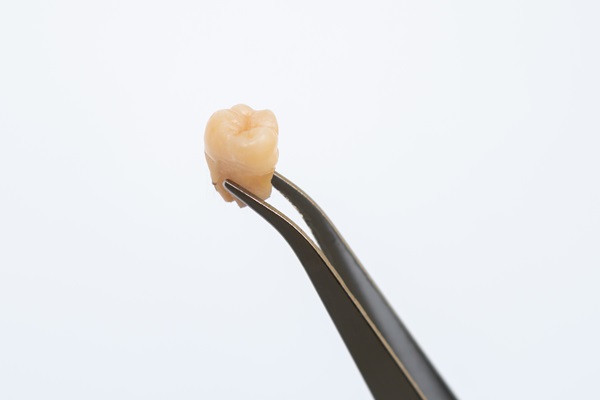
can be an intimidating prospect, but when recommended, it is a necessary step for maintaining good oral health. This routine procedure removes a severely decayed, damaged, or crowded tooth, alleviating pain and discomfort. Understanding the extraction process and how to recover effectively afterward can make the whole experience much smoother.
An overview of tooth extraction
A general dentist will always recommend saving the natural tooth when possible. However, there are several cases when a tooth extraction is needed to preserve long-term oral health. Common examples include severe tooth decay unaffected by a dental filling or crown, damage caused by trauma or injury, or overcrowding, which may occur when preparing for orthodontic treatment. In addition, wisdom teeth are typically extracted, as they can cause discomfort or misalignment when they develop later in life.
Methods of tooth extraction
There are two primary approaches to tooth extraction: simple and surgical. A simple extraction is necessary when the tooth is fully visible above the gumline and can be removed with dental instruments like forceps. This is a noninvasive method with a short recovery time of seven to 10 days.
On the other hand, a surgical extraction is necessary when the tooth is impacted or broken below the gumline — this is common for wisdom teeth. The dentist must make a small incision in the gums to access and remove the tooth. Since this method is invasive, it can take up to four weeks for the mouth to heal completely.
Recovering from tooth extraction: Tips and tricks
Following a general dentist’s aftercare instructions for a tooth extraction can help manage pain, reduce swelling, and prevent complications. This makes for a smoother and more comfortable recovery. The following sections provide practical tips and insights aligned with essential aftercare guidelines.
Pain management
Although the dentist will numb the mouth at the start of a tooth extraction, it is normal to feel some pain and discomfort after some sensation returns. Usually, these symptoms will subside in the first 24 to 48 hours. In the meantime, over-the-counter (OTC) pain relievers such as ibuprofen or acetaminophen can help manage pain. A dentist can provide OTC recommendations or, if needed, prescribe a stronger pain reliever. Take either as directed.
Another good way to manage pain and discomfort is to manage inflammation by icing the area. The dentist can provide face ice packs that wrap around the head. For best results, ice the area for about 15 to 20 minutes several times in the first 24 hours.
Bleeding at the extraction site
Some bleeding or oozing from the tooth extraction site is normal, especially within the first 24 hours when the blood clot is forming. To control bleeding, biting down gently on a piece of gauze for about 30 to 45 minutes should help. Contact the dentist if the bleeding persists or worsens.
It is also important to protect the blood clot once it has formed — both for proper healing and to prevent a painful condition called dry socket. Do not use a straw because the suction can dislodge the blood clot. For the same reason, chew on the opposite side of the mouth for the first few days.
What to eat
To promote a smooth recovery, eat a soft food diet at first. Safe foods include yogurt, applesauce, mashed potatoes, soup, and smoothies (without a straw). Avoid hard, crunchy, or chewy foods such as steak, nuts, and hard vegetables. These foods can irritate the wound or get stuck in the extraction site.
Oral hygiene
Maintaining oral hygiene after a tooth extraction is essential for a smooth recovery because it helps to prevent infection. That being said, it must be done carefully. On the day of the extraction, patients must avoid rinsing the mouth or brushing near the extraction site so that it can start to heal. On the day after the procedure, they may switch to rinsing the mouth gently with warm saltwater.
Patients should continue to brush and floss the rest of their mouth as usual. Typically, it is safe to start brushing around the site after a few days. The dentist will provide more specific instructions on the day of the tooth extraction.
Learn more about tooth extractions and recovery
A general dentist can alleviate pain and preserve oral health with a tooth extraction. Whether you need a simple or surgical extraction, our team at White Flint Family Dental can guide you through the recovery process. We strive to make it as comfortable and quick as possible. Contact our Rockville office today for an appointment.
Request an appointment here: https://whiteflintfamilydental.com or call White Flint Family Dental at (301) 273-1085 for an appointment in our Rockville office.
Check out what others are saying about our dental services on Yelp: .
Recent Posts
A general dentist will try and save natural teeth when possible. However, in certain circumstances, tooth extraction is either the only option or the most appropriate one for preserving oral health. The following are some key examples of situations where a dentist might recommend a tooth extraction.Sometimes, a tooth is too damaged or decayed to…
A tooth extraction can improve your dental health. The dentist can assess the tooth and see if it is still repairable. If not, then the dentist will remove it. Knowing more about tooth removal can help you prepare for the procedure. Here are some tooth extraction questions you can ask your general dentist on consultation…
Tooth extraction can be a daunting prospect for anyone, let alone children. Fortunately, our team can help parents learn everything they need to know about tooth extraction. As a parent, it is natural to be concerned about your child's well-being during a medical procedure. Knowing what to expect before, during, and after this common dental…
A tooth extraction is one of the most common dental procedures and also one of the most anxiety-producing. However, a dentist would not recommend this treatment if it were not necessary to protect your oral health. So, if you are nervous about an upcoming tooth extraction, understanding its reasons will help.A dentist will usually try…