Smile Makeover: Dental Crowns to Repair Cracks
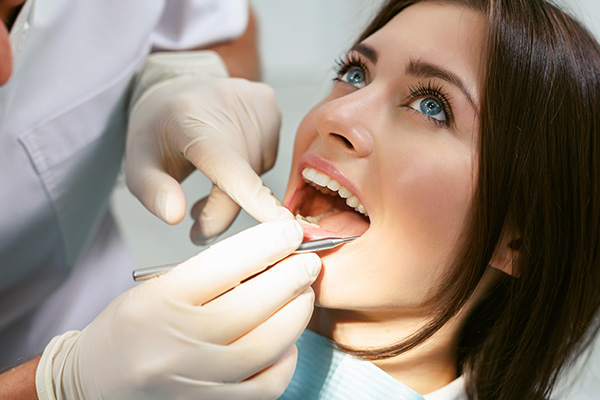
Wondering whether a smile makeover includes fixing a cracked tooth? A dentist might decide to use dental crowns to repair cracked or broken teeth during your smile makeover. Smile makeovers are performed to significantly improve the way your teeth look. It often involves a combination of cosmetic dental treatments to tackle all the issues that negatively impact the appearance of a person's smile.
Procedures commonly used as part of a smile makeover include:
- Crowns
- Dental implants
- Bridges
- Veneers
- Composite bonding
- Enamel reshaping
- Gum reshaping
- Dentures
Using crowns to repair cracked teeth during a smile makeover
Crowns have multiple uses in dentistry, which include fixing cracked, decayed and deformed teeth. Crowns are long-lasting oral restorations that can last up to 25 years. They can be made from a variety of materials such as gold, silver, platinum, ceramics and porcelain. Porcelain and ceramic crowns are typically preferred during smile makeovers since these have the most natural look. However, crowns made from metal tend to last longer, making them a good option for back teeth that are not visible when a person smiles.
The severity of a cracked tooth often decides how a dentist approaches it. Minor cracks and breaks can be fixed with composite bonding, while moderate cracks require crowns. The most severe cracks might require treatments like a root canal before being crowned.
Once a dentist decides a crown is a good way to restore the appearance of a tooth, some enamel will be removed from all four sides. This prepares the tooth for the crown and ensures a better fit. The dentist will also take an impression of the tooth and send it to a lab that makes crowns. It takes about two weeks for the completed crown to get back to the clinic.
In the meantime, the dentist will cover the prepared tooth with a temporary crown to protect it while the patient waits for the custom crown. The removal of enamel from a tooth is an irreversible procedure and the tooth will always need a crown to protect since most of its enamel has been removed. The dentist attaches the temporary crown with temporary dental cement so it can be easily taken off when the patient's custom crown is ready.
Once the custom crown gets back from the lab, the patient will be called in for a second appointment. During this visit, the temporary crown is taken off and the dentist installs the custom crown. Any adjustments needed will be made before cementing the crown in place.
Recovery after getting a crown
There is no recovery period after the installation of crowns, but some patients experience sensitive teeth for a few days. Patients are advised to avoid eating chewy or sticky foods for the first few days to prevent the crown from coming loose while the cement sets. Crowns do not require special care. Brushing and flossing daily keeps them in good condition.
Do you currently have a cracked tooth?
Contact our Rockville clinic today if you have a cracked tooth that is affecting the appearance and function of your smile.
Request an appointment here: https://whiteflintfamilydental.com or call White Flint Family Dental at (301) 273-1085 for an appointment in our Rockville office.
Check out what others are saying about our services on Yelp: Read our Yelp reviews.
Recent Posts
A general dentist will try and save natural teeth when possible. However, in certain circumstances, tooth extraction is either the only option or the most appropriate one for preserving oral health. The following are some key examples of situations where a dentist might recommend a tooth extraction.Sometimes, a tooth is too damaged or decayed to…
A smile makeover is an umbrella term encompassing one or multiple treatments. It is a transformative approach that uses a combination of general dentistry techniques to enhance the appearance, health, and function of the teeth and gums. For those looking to improve their smile, a smile makeover can address various concerns, from discoloration to misalignment,…
A tooth extraction can improve your dental health. The dentist can assess the tooth and see if it is still repairable. If not, then the dentist will remove it. Knowing more about tooth removal can help you prepare for the procedure. Here are some tooth extraction questions you can ask your general dentist on consultation…
Tooth extraction can be a daunting prospect for anyone, let alone children. Fortunately, our team can help parents learn everything they need to know about tooth extraction. As a parent, it is natural to be concerned about your child's well-being during a medical procedure. Knowing what to expect before, during, and after this common dental…