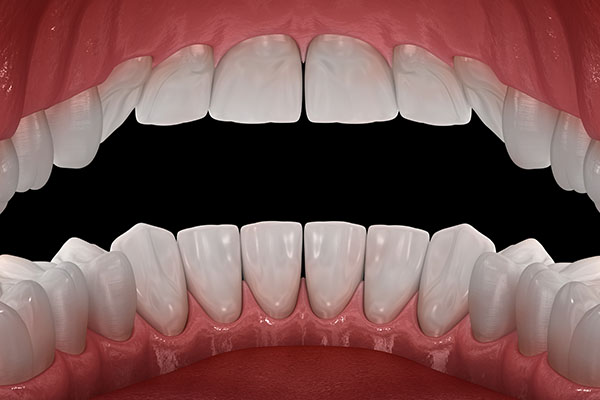
 Individuals who experience bleeding gums while brushing should not necessarily be overly alarmed, because it could be caused by temporary irritation or using a brush with too-hard bristles. However, when the gums frequently bleed during brushing, it may be a sign of early gum disease, known as gingivitis. Understanding the link between this bleeding and the bacteria causing gum disease is important for preventing serious oral diseases and protecting overall health.
What causes gingivitis?
Gingivitis is caused by a buildup of plaque, which contains bacteria. When individuals have poor brushing habits, plaque remains and builds on the gum line and eventually turns into a hard substance called tartar. As the accumulation continues, the collected bacteria can cause several different issues:
- Bleeding gums
- Irritation and pain in the mouth
- Tooth decay
- Increased bacteria delivered to internal organs via saliva
- Bone loss around the tooth and in the jaw
How can gingivitis be prevented?
These issues can be serious and lead to tooth loss. Fortunately there are several ways individuals may be able to prevent them and take charge of their oral health. The key is stopping the formation of plaque and tartar, as well as reducing bacteria in the mouth.
Bi-annual dental visits and cleanings
Dentists use a variety of tools during a checkup and dental cleaning to remove plaque and tartar a toothbrush may not always eliminate. Committing to twice-yearly cleanings, asking a dentist about what type of brush to use, and learning proper brushing and flossing techniques to use at home can help the impact of these cleanings to last longer and prevent the re-accumulation of plaque. Patients can also inquire about other oral issues, such as chronic dry mouth, to prevent gum irritation.
Consistent brushing
Poor or inconsistent brushing may lead to gingivitis, which then leads to periodontal disease and an increased risk of tooth loss. To avoid these problems, people should brush at least twice a day after meals and floss in the evening to prevent a buildup of plaque at the gum line. Once plaque turns to tartar it can be difficult to remove, so maintaining a consistent brushing schedule of two or three times a day for at least two minutes each can prevent bacteria buildup and painful or irritated gums.
Improved diet
A diet high in sugar and acidity may cause bacterial plaque and tartar to build up more quickly. This, combined with a lack of proper nutrients and vitamins, could contribute to infection weakening bones around the teeth, causing them to become loose. Those who enjoy sugary snacks may want to brush directly after and ask a doctor what types of supplements can help support strong bones and teeth.
Conclusion
While bleeding gums can be an alarming sight, there are ways to reduce inflammation and avoid the buildup of bacteria, plaque, and the development of gingivitis. Attempting to reverse the process as soon as possible can heal the gums and protect your oral well-being for a lifetime.
Request an appointment or call White Flint Family Dental at 301-273-1085 for an appointment in our Rockville office.
Recent Posts
Understanding what causes bleeding gums is vital for preventing this common condition and promoting proper oral hygiene. Dentists can make recommendations to help patients maintain healthy gums and avoid widespread health and oral complications.People frequently dismiss gum bleeding as a normal consequence of overly aggressive brushing or flossing. Using a toothbrush with stiff bristles might…
Though not necessarily abnormal, bleeding gums should prompt further investigation. Bleeding from the gums can have several causes, some of which are easily remedied and others that may require dental care to correct. If you notice blood after brushing or flossing, or if the gums bleed randomly throughout the day, look into the various causes…
Patients do not have to accept bleeding gums as part of routine oral health maintenance as this condition can lead to more advanced forms of gum disease. It can easily be treated with specialized products in the early stages. These patients should visit a dentist as soon as possible after noticing gum inflammation or bleeding…