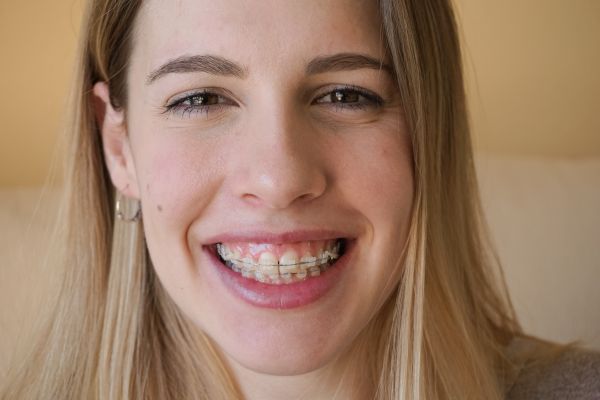
Clear braces align the smile more discreetly than other methods, such as traditional metal braces. Patients must practice consistent oral hygiene and maintain good oral health to maximize this alignment solution's aesthetic and functional benefits. Fortunately, a general dentist can help patients in both these regards, allowing them to stay on track with their orthodontic treatment.
Clear braces: What to know
Clear braces shift the teeth into proper alignment using a discreet network of brackets and wires. While metal braces use metal brackets and a thick archwire, clear braces incorporate ceramic brackets and a thin, frosted archwire. Clear braces also do not use elastics around each bracket like metal braces. This creates a more aesthetically pleasing and discreet treatment for bite issues such as:
- Overbites
- Underbites
- Crossbites
- Diastema
- Crowded and crooked teeth
Regular care and maintenance, including oral hygiene, help keep clear braces as inconspicuous as possible. A general dentist can provide more information on whether clear braces are the right option based on alignment needs and current oral health and hygiene practices.
Common challenges with clear braces
While clear braces offer many advantages, they also introduce a few unique challenges. Due to their design, food particles and plaque sometimes have an easier time building up around the brackets and wires. This can interfere with the braces' appearance and lead to oral health issues such as tartar buildup and gum inflammation.
Additionally, ceramic brackets are more fragile than metal ones and can be easily broken if cared for improperly. Staining is another common concern with clear braces, particularly for patients who frequently consume naturally or artificially dyed foods and beverages, like coffee, tea, or red wine. However, paying careful attention to diet and oral hygiene habits can help minimize discoloration, along with the other challenges associated with this braces type.
Oral hygiene tips for clear braces
Maintaining good oral hygiene with clear braces requires consistent effort and some additional tools to reach the areas around brackets and wires effectively. Regular brushing and flossing are crucial for every patient — especially if they have braces. These oral hygiene practices help prevent plaque buildup around the brackets and protect tooth enamel.
To brush the teeth effectively while one has clear braces, use a soft toothbrush or an electric toothbrush to reach between and around each bracket. Brushing after every meal is ideal, as it prevents food particles from sticking to brackets, which could lead to decay or staining. Further, food allowed to crowd the braces will be unappealing as one smiles or speaks, as it will be noticeable. Patients may also use interdental brushes to access tight spaces around the braces. For additional protection against tooth decay, most general dentists recommend brushing with fluoride toothpaste.
Similarly, patients will need to work around the brackets while flossing. Many find using floss threaders to reach between the teeth and around the brackets is helpful. Make sure to floss at least once daily, per guidelines from the American Dental Association (ADA). To get a more thorough, clean, and fresher breath, rinse with an antimicrobial mouthwash at the end of every oral hygiene routine.
How diet affects oral health with clear braces
Clear braces come with certain dietary restrictions, especially if one wants to maintain the discreetness of this braces type. To start, limit how long one drinks staining beverages like coffee and tea. However, when consuming them, use a straw to help limit contact with the teeth. Dentists also recommend avoiding hard, sticky, or crunchy foods that could damage the brackets and wires. Foods such as popcorn, chewing gum, and nuts can dislodge or break brackets, interrupting treatment and slowing progress.
Clear braces and regular checkups with a general dentist
The need for dental checkups every six months does not go away with clear braces. Rather, these regular checkups are critical in maintaining oral health and the effectiveness of the treatment. A general dentist can monitor overall dental health and address issues like plaque buildup, gum disease, and tooth decay. During these visits, the dental hygienist will also clean areas that are hard to reach with daily brushing and flossing to protect oral health further and support oral hygiene.
Learn more about maintaining oral health and clear braces
Taking care of clear braces is easy with consistency and the help of a general dentist. These dental providers will assist in ensuring a successful and smooth orthodontic treatment. After all, dedicated care is required to keep both the braces and teeth healthy. To speak with a Rockville general dentist, contact White Flint Family Dental today for an appointment.
Request an appointment here: https://whiteflintfamilydental.com or call White Flint Family Dental at (301) 273-1085 for an appointment in our Rockville office.
Check out what others are saying about our dental services on Yelp: Clear Braces in Rockville, MD.
Recent Posts
Clear braces are a popular and effective teeth straightening option for individuals seeking orthodontic treatment without the visible brackets and wires of traditional braces. These braces are known for their discreet design and effective results. Do you have questions about this service? Below are some of the most frequently asked questions about clear braces treatment.Clear…
The term “invisible braces” is commonly used to refer to an orthodontic system that is less conspicuous than traditional braces. Invisible braces can correct numerous problems. These include crowded teeth and crooked or spaced teeth. They may also be ideal for a few teeth that are out of position. Read on to find out how…
Invisalign aligners are clear plastic aligners that an Invisalign dentist uses to help their patients straighten their teeth. When the patient comes in for a consultation, the Invisalign dentist will examine their mouth and take a 3D scan of the mouth. This is used to come up with a customized plan to straighten the patient’s…
As a child’s mouth and teeth develop into adolescence, it may become apparent that there are problems with alignment or spacing. Invisalign® for teens presents an alternative to traditional metal braces but without sacrificing the quality of results of corrective treatment. The specifics of a teen’s condition may impact the eligibility of this alignment option,…