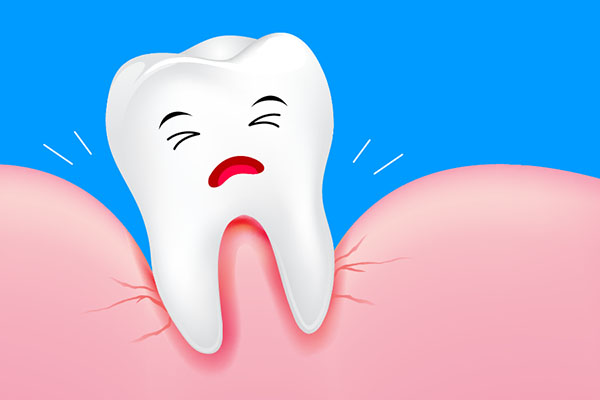
Bleeding from any area of the body is concerning, and bleeding gums are no exception. There are some simple causes for gums to bleed, including a new flossing routine or brushing too hard. A more serious concern for gum bleeding is periodontitis, also known as gum disease. Gum disease has many symptoms, and individuals who experience regular bleeding should consult a dental professional. Learn helpful information about gum disease and other potential reasons for gum bleeding.
What is gum disease?
Periodontitis is very common during adulthood: The Centers for Disease Control and Prevention states that slightly more than 47% of adults 30 years of age and older have some form of periodontal disease. Gum disease typically develops in four stages. First, a sticky film called plaque forms on the teeth. Plaque forms because of the interaction between the naturally occurring bacteria in the mouth and foods and drinks consumed.
Regular brushing and flossing remove plaque. However, any plaque that is not removed from the teeth through regular brushing can harden under the gumline and turn into tartar, the second stage. Only a professional dental cleaning can remove tartar.
Third, if tartar remains on the teeth and gums, gingivitis develops. Gingivitis is inflammation of the gum tissue around the base of the teeth. It is during this stage that individuals may start to experience bleeding gums. Fortunately, gingivitis is reversible with professional help and good oral health at home.
Fourth, the ongoing gum inflammation can lead to periodontitis, the final stage of gum disease. The bacteria continue to grow and create infections that can ultimately lead to tissue, bone, and tooth loss.
What are the symptoms of gum disease?
Gums that bleed easily are just one symptom of gum disease. Additional symptoms include:
- Swollen, puffy, or tender gums
- Halitosis or bad breath
- Painful chewing
- Bright red or purplish gums instead of pale pink
- Loose teeth
- Gums that pull away from the teeth
If individuals notice one or more of these symptoms, schedule an appointment with a dentist. Earlier treatment for periodontitis increases the chance of reversing the damage.
What are other causes for bleeding gums?
Gum disease is only one possible reason for gums to bleed. Other common causes include certain medications, hormonal changes during pregnancy, smoking or chewing tobacco, and dental appliances or dentures that do not fit properly. Individuals who experience occasional bleeding from the gums do not need to see a dental professional immediately. However, patients who have regular bleeding and are unsure about the cause should schedule an appointment to see a dentist.
How can I prevent gum bleeding?
Good oral health and regular dental checkups can prevent bleeding. It takes a combination of these efforts to ensure that plaque is effectively removed from the teeth and that tartar and gingivitis are reversed. If a dentist concludes that gum bleeding is not caused by gum disease, patients should visit a doctor to find out if there are other underlying conditions.
Conclusion
Bleeding gums are a sign of gum disease, but there are also other causes. If you have gums that bleed regularly, schedule a consultation with a dentist to determine the cause.
Request an appointment or call White Flint Family Dental at 301-273-1085 for an appointment in our Rockville office.
Recent Posts
Understanding what causes bleeding gums is vital for preventing this common condition and promoting proper oral hygiene. Dentists can make recommendations to help patients maintain healthy gums and avoid widespread health and oral complications.People frequently dismiss gum bleeding as a normal consequence of overly aggressive brushing or flossing. Using a toothbrush with stiff bristles might…
Though not necessarily abnormal, bleeding gums should prompt further investigation. Bleeding from the gums can have several causes, some of which are easily remedied and others that may require dental care to correct. If you notice blood after brushing or flossing, or if the gums bleed randomly throughout the day, look into the various causes…
Patients do not have to accept bleeding gums as part of routine oral health maintenance as this condition can lead to more advanced forms of gum disease. It can easily be treated with specialized products in the early stages. These patients should visit a dentist as soon as possible after noticing gum inflammation or bleeding…