Controlling the Pain of Sensitive Teeth
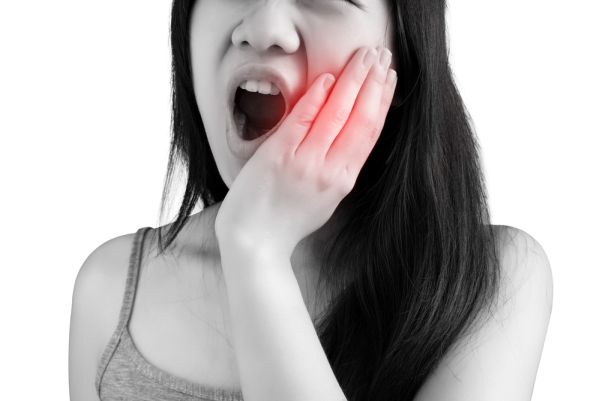
There is nothing fun about having sensitive teeth. The pain can be so bad that it affects your performance during the day.
It also limits your ability to enjoy things most people take for granted, such as a cold soda or some frozen treats.
Why causes sensitive teeth?
Teeth typically become sensitive after bacteria or trauma damages tooth enamel. Without this external layer to protect your teeth, the sensitive dentin is left vulnerable. Now, your nerve endings trigger pain when they contact food, drink or even cold air.
Dealing with sensitive teeth
Fortunately, you are not the only person who has to deal with sensitive teeth. There are some effective ways to make your teeth less sensitive. Follow the tips listed below, and it is only a matter of time before you can once again enjoy treats like ice cream and hot soups.
1. Use a sensitive teeth toothpaste
Various toothpaste brands offer products to reduce tooth sensitivity. Many contain potassium nitrate as one of their primary ingredients. It helps to block the tubules in the dentin. These products can provide significant relief from tooth sensitivity if you use them regularly.
2. Learn new brushing habits
Brushing too hard can lead to sensitive teeth. You can scrape the enamel off your teeth, leading to increased sensitivity. People who are guilty of brushing too hard should consider getting a toothbrush with softer bristles and learning new brushing techniques.
Brushing too hard can also lead to receding gums. This exposes the cementum, which can cause more tooth pain.
3. Stay away from acidic drinks and foods
The protective layers of your teeth can also be damaged by acids found in what you eat.
Common examples of these include red wine, citrus fruit juices and strawberries. The juices from these items can cause significant damage to a person's enamel even when the person has good oral hygiene.
It is best to rinse your mouth with water after consuming anything that is acidic.
4. See the dentist for desensitizing treatments
When desensitizing toothpaste is not enough, the dentist can apply a barrier to the teeth to reduce sensitivity.
A fluoride varnish, composite resin or dental sealants can protect your teeth from harsh foods and drinks. These types of treatments tend to wear off within a few months, so follow up treatments are needed.
5. Wear a mouthguard when sleeping
Bad habits, like teeth grinding, can cause your enamel to wear down over time. Since most cases of teeth grinding are uncontrollable, it is best to wear a special mouthguard when you sleep. Your dentist can design a custom mouthguard to minimize the damage of clenching and grinding.
Do not let sensitive teeth interrupt your life
Are your sensitive teeth holding you back from living life to the fullest? Stop avoiding ice cream or cold drinks and start enjoying those things your love.
Contact us to explore treatment options to reduce sensitivity and pain.
Request an appointment here: https://whiteflintfamilydental.com or call White Flint Family Dental at (301) 273-1085 for an appointment in our Rockville office.
Check out what others are saying about our services on Yelp: Read our Yelp reviews.
Recent Posts
Tooth extraction can relieve pain and discomfort, remove immediate threats to oral health, and open the door to more functional tooth replacements. While we strive to preserve your natural teeth for as long as possible, sometimes extractions are necessary. With the help of a general dentist, learn why there is no need to fear having…
Whether you recently had a tooth extraction or are preparing for the procedure, there are a few guidelines to follow after oral surgery. Properly caring for your health can help you recover as healthily as possible and reduce the risks of complications. Here are some tips to help you have a comfortable and speedy recovery.In…
A restorative dentist can correct many types of broken teeth by evaluating the location, depth, and cause of the damage before choosing the right treatment. Teeth can chip, crack, fracture, or break from decay, biting pressure, grinding, sports injuries, or accidents. Early care can help preserve healthy tooth structure, reduce discomfort, and protect the tooth…
A general dentist will try and save natural teeth when possible. However, in certain circumstances, tooth extraction is either the only option or the most appropriate one for preserving oral health. The following are some key examples of situations where a dentist might recommend a tooth extraction.Sometimes, a tooth is too damaged or decayed to…