The Recovery Process for Tooth Extraction
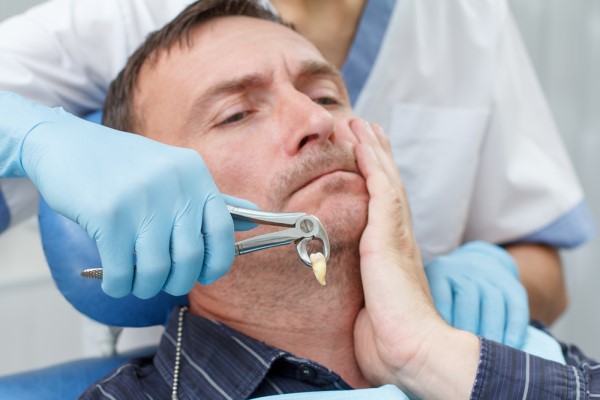
may become necessary due to damage or decay. The procedure involves removing a tooth entirely from its socket. To remove teeth, dentists use an elevator to loosen them and forceps to remove them entirely. In some cases, dentists may create incisions in the gums for better access. Following the removal, professionals clean and disinfect the socket.
How to care for your mouth after a tooth extraction
Professionals categorize dental extractions into two types: surgical and simple extractions. Dentists perform surgical extractions before teeth erupt or when the teeth break at the gum line. Simple extractions involve loosening the teeth before using forceps to remove them.
After the procedure, dentists place gauze over the extraction site. Patients must keep firm pressure on the gauze to slow the bleeding and form a clot. Once the bleeding slows, individuals can remove the gauze. While complex extractions may take longer to heal, most people begin to feel better after a few days.
Resting after the procedure
Patients must rest for at least 24 hours following the procedure. Rest promotes healing and keeps the heart rate low to prevent post-operative bleeding. Most dentists recommend limiting physical activity for the first 72 hours. When resting, individuals may prefer elevating their heads with extra pillows. The elevated position encourages healing and helps the blood clot.
There will be swelling present after the procedure. Patients can apply ice packs to their face for about 15 minutes at a time for the first 24 hours. Ice packs help reduce swelling and pain. Most people return to work or school within the first couple of days. However, if patients have strenuous jobs that involve physical labor, they should take a few more days off work.
Eating during the healing process
Food can irritate an extraction. Individuals should avoid crunchy and hard foods during the first few days. Not only do hard foods cause pain, but some foods may dislodge the blood clot. Healing individuals require soft and nutritious foods. Some foods appropriate for healing after a tooth extraction include:
- Yogurt
- Mashed potatoes
- Soup
- Scrambled eggs
- Pasta
- Rice
When it comes to drinks, patients cannot use straws. Straws may cause dry sockets or dislodge a clot.
Keeping the site clean after an extraction
Individuals need to continue to brush and floss their teeth following the procedure. However, they should avoid brushing or flossing around the extraction site. Dentists may suggest an antimicrobial mouthwash or saline solution. Patients can gently rinse their mouths and drain the water without spitting out the solution.
Exercising after an extraction
Patients should avoid all high-intensity exercise following an extraction. Professionals may suggest individuals avoid the gym for at least a week after the procedure. Some dentists prescribe painkillers and antibiotics after the procedure. Prescription drugs may cause dizziness or weakness and lead to accidents at the gym.
Additionally, painkillers mask the pain, and individuals may not pick up on the signs that their body needs to rest. If someone pulls a muscle during a workout, the pain medication may hide the signals.
Complicated extractions involve significant tissue manipulation. Some patients may need to wait as long as a month before performing high-intensity exercise. When exercising, patients should listen to their bodies and stop exercising if they experience the following:
- Increased swelling
- Onset of fever
- Torn stitches
- Sudden bleeding
Overworking the body can lead to prolonged healing time and complications.
Avoiding complications from the extraction
Dry socket is one of the most common complications after an extraction. The condition develops when a blood clot becomes dislodged or never forms. The lack of a blood clot exposes the bone and nerves, resulting in pain.
Patients should avoid spitting and sneezing while healing. If individuals need to sneeze following the procedure, they should keep their mouths open to avoid increasing pressure in the mouth. Spitting also puts pressure on the mouth and affects blood clotting.
Individuals may feel tempted to probe their extraction site with their tongue. The new gap may feel unusual, but touching it can dislodge the healing clot and lead to complications like dry socket.
Conclusion
Tooth extraction is a standard dental procedure where dentists loosen and remove decayed or broken teeth. When teeth become damaged or infected, the removal can ease the pain and reduce harmful bacteria that may damage the gums and adjacent teeth. Most patients return to normal activities within 72 hours after the procedure. Taking care of oneself following the procedure can decrease the chance of complications.
Request an appointment here: https://whiteflintfamilydental.com or call White Flint Family Dental at (301) 273-1085 for an appointment in our Rockville office.
Check out what others are saying about our dental services on Yelp: .
Recent Posts
A general dentist will try and save natural teeth when possible. However, in certain circumstances, tooth extraction is either the only option or the most appropriate one for preserving oral health. The following are some key examples of situations where a dentist might recommend a tooth extraction.Sometimes, a tooth is too damaged or decayed to…
A tooth extraction can improve your dental health. The dentist can assess the tooth and see if it is still repairable. If not, then the dentist will remove it. Knowing more about tooth removal can help you prepare for the procedure. Here are some tooth extraction questions you can ask your general dentist on consultation…
Tooth extraction can be a daunting prospect for anyone, let alone children. Fortunately, our team can help parents learn everything they need to know about tooth extraction. As a parent, it is natural to be concerned about your child's well-being during a medical procedure. Knowing what to expect before, during, and after this common dental…
A tooth extraction is one of the most common dental procedures and also one of the most anxiety-producing. However, a dentist would not recommend this treatment if it were not necessary to protect your oral health. So, if you are nervous about an upcoming tooth extraction, understanding its reasons will help.A dentist will usually try…