A Look at Implant Supported Dentures: Roots, Jawbone and Dentures
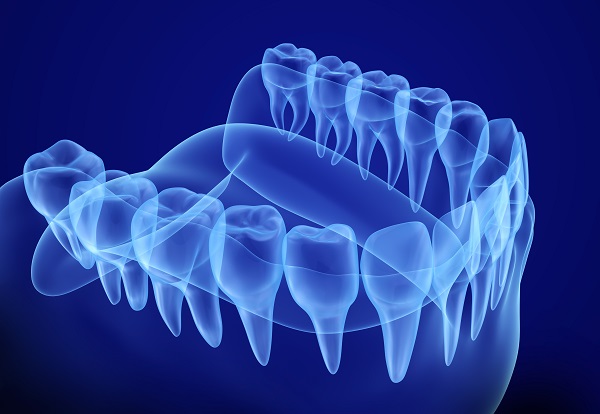
Implant supported dentures are supported by dental implants that are placed into the jawbone. This can prevent bone loss from occurring in the jaw, along with various other oral health, cosmetic and functional benefits. In this review, we take a look at how implant supported dentures impact the jawbone and serve as a root for the replacement teeth (dentures).
How implant supported dentures work
Most patients have several options available when they seek teeth replacement. It is helpful to understand the benefits of each one before making your final decision. Implant supported dentures are one of the most commonly recommended treatment options and have unique benefits that traditional dentures do not.
The importance of replacing missing teeth
A tooth is supported by the gums and underlying jawbone. When issues arise with these supporting structures of teeth, tooth loss becomes more likely. After tooth loss occurs, the jawbone no longer serves as important of a role, and subsequently, bone loss can result. This can lead to oral health, functional and cosmetic concerns that can be addressed by implant supported dentures treatment.
How implant supported dentures preserve bone density
One of the main drawbacks of traditional dentures and fixed bridges is that they do not preserve bone density, meaning that bone loss can occur in the jaw despite the restoration. With dental implants, however, bone loss is not likely to occur. This is because the dental implant fuses together with the underlying jaw bone, which means that the jawbone will continue to support the root of the tooth the same way that it did with a natural tooth, giving it purpose. Bone density is important for maintaining the health of teeth, as well as preventing the jaw looking sunk in or weak.
The process for implant supported dentures
The process is different for every patient, although there are certain steps that are common. Of course, the process begins with a consultation, during which the dentist can discuss treatment goals, conduct an oral examination and make a treatment recommendation.
The patient may need preparation for the placement of the implants, particularly if they have lost bone inside of the jaw following tooth loss or have periodontal disease. The patient will need time to recover after implants placement, which may take several months. Afterward, the abutment and dentures are attached to the implants, completing the restoration.
Implant supported dentures care tips
Caring for implant supported dentures is not much different than caring for natural teeth. Brushing, flossing and using mouthwash as directed by the dentist is important, along with limiting foods that may increase the risk of gum disease and other oral health complications. Frequent visits with the dentist for a check-up can also help patients get the most out of their implant supported dentures.
Consult with our dental team today
Get in touch with us today by phone or email to learn more about how implant supported dentures work and to determine if treatment is right for you. It is our goal to help all our patients achieve the smile of their dreams by replacing missing teeth.
Request an appointment here: https://whiteflintfamilydental.com or call White Flint Family Dental at (301) 273-1085 for an appointment in our Rockville office.
Check out what others are saying about our services on Yelp: Read our Yelp reviews.
Recent Posts
A smile makeover is an umbrella term encompassing one or multiple treatments. It is a transformative approach that uses a combination of general dentistry techniques to enhance the appearance, health, and function of the teeth and gums. For those looking to improve their smile, a smile makeover can address various concerns, from discoloration to misalignment,…
A tooth extraction can improve your dental health. The dentist can assess the tooth and see if it is still repairable. If not, then the dentist will remove it. Knowing more about tooth removal can help you prepare for the procedure. Here are some tooth extraction questions you can ask your general dentist on consultation…
Tooth extraction can be a daunting prospect for anyone, let alone children. Fortunately, our team can help parents learn everything they need to know about tooth extraction. As a parent, it is natural to be concerned about your child's well-being during a medical procedure. Knowing what to expect before, during, and after this common dental…
A tooth extraction is one of the most common dental procedures and also one of the most anxiety-producing. However, a dentist would not recommend this treatment if it were not necessary to protect your oral health. So, if you are nervous about an upcoming tooth extraction, understanding its reasons will help.A dentist will usually try…